The acronym HVAC stands for heating, ventilation, and air conditioning, which is vital for maintaining a pleasant indoor atmosphere throughout each season. Choosing the right HVAC contractor is critical for achieving dependable and energy-efficient climate management in both residential and commercial settings. Regular check-ups, swift repairs, and necessary system upgrades are key to achieving the best performance. For those wishing to learn more about HVAC services, many insightful resources and options await your exploration this website.
Exploring the Fundamentals of HVAC Systems
HVAC systems are complex integrations of technologies responsible for regulating heating, cooling, and ventilation across residential and commercial environments. These systems consist of diverse components, including air conditioners, heating units, ducts, and ventilation mechanisms, all working in unity to create comfortable indoor conditions. The performance efficiency of an HVAC system is pivotal not only for energy usage but also in contributing to superior indoor air quality.
In regions with warm weather, air conditioning plays an essential role in cooling indoor spaces. The function of air conditioning units is to draw heat and moisture from the air, thus producing a cooler and more comfortable environment. On the other hand, in cooler areas, heating systems such as furnaces or heat pumps are necessary for maintaining warmth indoors. Ventilation also holds significant value, as it facilitates a consistent exchange of fresh air while filtering out harmful particles and mitigating problems like mold formation.
Categories of HVAC Systems
There are an array of HVAC systems tailored to meet specific requirements and applications. The predominant categories encompass centralized systems that link multiple areas through ductwork and decentralized systems, like mini-split air conditioning units, which can work independently within distinct spaces. It’s crucial to choose the right system suited for your needs. Centralized systems commonly deliver greater efficiency for expansive areas, while mini splits provide targeted heating or cooling, making them advantageous for smaller rooms or extensions.
Choosing the Right HVAC Contractor
When selecting an HVAC contractor, reputation and experience are key factors to consider. You should search for companies that have positive reviews and ratings in your area, specifically those that are known for their proficiency in air conditioning repair and maintenance services. Look for certifications and licenses that demonstrate a contractor’s qualifications. Additionally, ensure the provider has experience with various HVAC systems, including modern technologies like smart thermostats or zoning systems.
Many homeowners also benefit from obtaining multiple quotes before making a decision. This approach allows you to compare service offerings and pricing, helping you identify the best value. During consultations, ask about their approach to maintenance and emergency repair services, as well as their knowledge of energy-efficient installations. A reputable contractor will not only provide upfront costs but also educate you on energy-saving practices and the appropriate systems for your specific needs.
Importance of Regular Maintenance
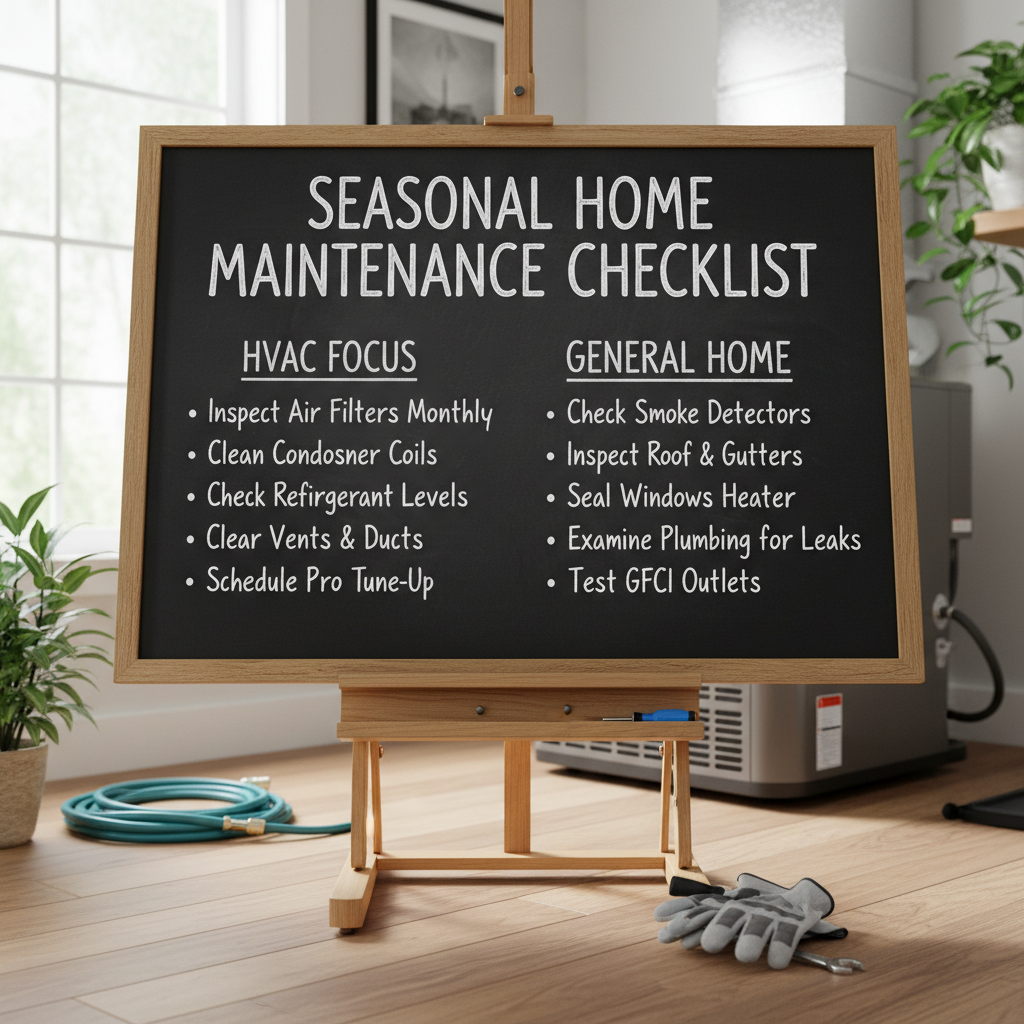
Regular maintenance is essential for keeping HVAC systems running efficiently and can significantly extend their lifespan. Homeowners should schedule routine inspections at least once a year for both heating and cooling systems. This proactive approach helps avoid unexpected failures and costly repairs, especially during peak seasons. Technicians will check for issues such as clogged air filters, which limit airflow, and inspect the ductwork for leaks that can negatively impact system performance and energy efficiency.
During maintenance visits, HVAC professionals also clean the components of the system, ensuring that dirt and debris do not accumulate. This cleaning process includes air duct cleaning, which is vital for ensuring optimal airflow and reducing allergens indoors. Well-maintained systems are generally more efficient, which can lead to lower utility bills and a reduced carbon footprint.
HVAC systems are complex but understanding their operation and maintenance can empower homeowners to make informed decisions regarding their heating and cooling requirements. Consulting with an HVAC expert will ensure that you receive the guidance necessary for lasting comfort in your space.Tips for Maintaining Your HVAC System
Understanding HVAC systems can lead to considerable cost savings and improved comfort. Consider these tips to enhance system performance.
- Regularly change or clean air filters every 1-3 months to maintain optimal airflow.
- Seal any gaps in ducts to reduce energy loss and improve heating/cooling efficiency.
- Invest in programmable thermostats to help regulate temperatures according to your habits.
- Schedule annual professional inspections for both heating and cooling systems.
- Keep outdoor units clear of debris to ensure they operate without obstruction.
 Holiday HVAC Contractorair cond repair
Frequently asked questions
What is HVAC?
The term HVAC stands for heating, ventilation, and air conditioning. This system is crucial for controlling indoor climate by adjusting air temperature, humidity, and quality to create comfortable living spaces.
How do I choose a HVAC provider?
Choosing the right HVAC provider involves conducting thorough research on their reputation, reading customer reviews, comparing service quotes, and confirming that they hold the appropriate licenses and certifications.
How much does HVAC cost?
Costs for HVAC systems can vary widely based on the type of system, its size, energy efficiency standards, and installation specifics. On average, system prices can range from a few thousand to tens of thousands of dollars, including installation fees.
What are the signs I need air conditioning repair?
You may need air conditioning repairs if you notice symptoms such as insufficient cooling, unexpected noises from the unit, or a marked increase in your energy bills, which could indicate system inefficiencies.
How often should I maintain my HVAC system?
For optimal performance and longevity, it is recommended to have your HVAC system professionally maintained at least once per year for both heating and cooling functionalities.
To achieve a pleasant and healthy atmosphere indoors, it’s crucial to comprehend HVAC systems thoroughly and collaborate with experienced contractors. Regular maintenance of air conditioning units and efficient heating methods can lead to significant savings in time, finances, and reduces frustration.
Choosing the appropriate HVAC service provider and focusing on routine upkeep allows homeowners to keep their systems running smoothly and effectively, ensuring lasting comfort for years ahead.